
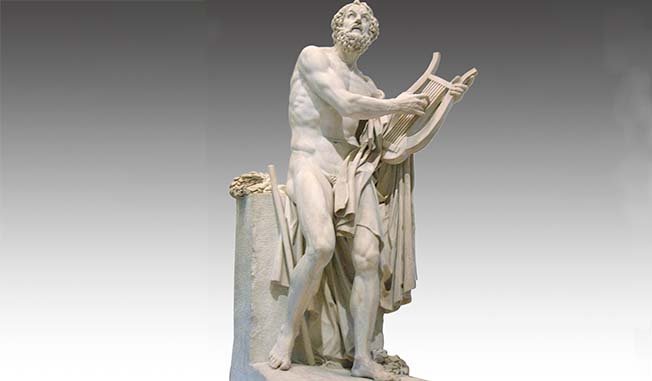
Poetry possesses a unique capacity to traverse time and space, encapsulating human emotions and ideas in ways that elevate them to unimaginable heights. Through the beauty of language, poets capture the essence of humanity, crafting works that resonate deeply within our souls. Their contributions to culture, thought, and human sensitivity are immeasurable. In this article, we delve into the lives and works of ten poets who have significantly influenced literature. Each of them has left an indelible mark—both through their literary genius and their ability to reflect the concerns and aspirations of their times. Join us as we explore the legacies of these iconic figures, whose verses continue to inspire and influence generations.
1. William Shakespeare
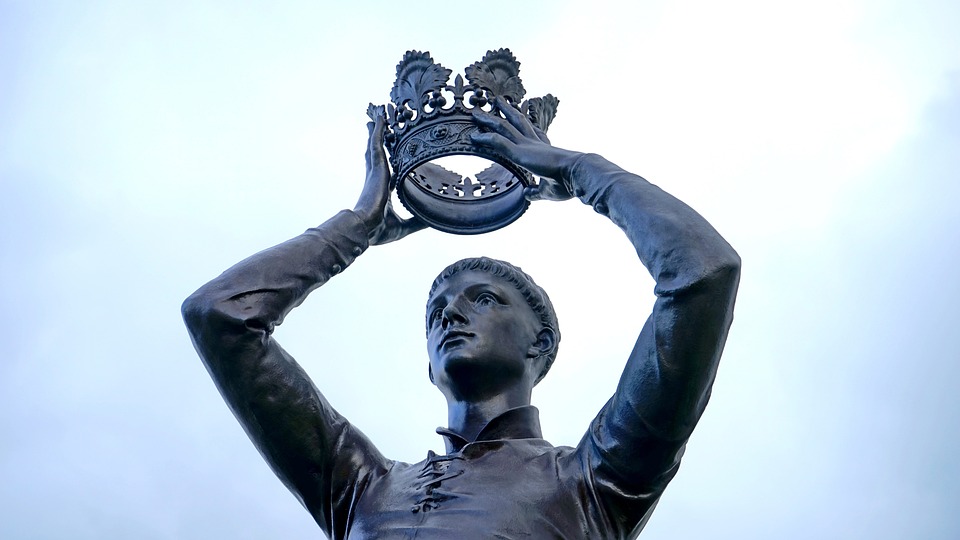
Born in 1564 in Stratford-upon-Avon, William Shakespeare is indisputably the most influential playwright and poet in the English language. His sonnets and plays, such as *Romeo and Juliet* and *Hamlet*, provide rich explorations of love, death, and the complexities of human nature. Shakespeare’s dexterity with language enables him to create profound emotional expressions and timeless themes that resonate across cultures and epochs. His enduring influence inspires countless authors, filmmakers, and artists, making his work a treasure trove for those seeking insight into the human experience.
2. Emily Dickinson
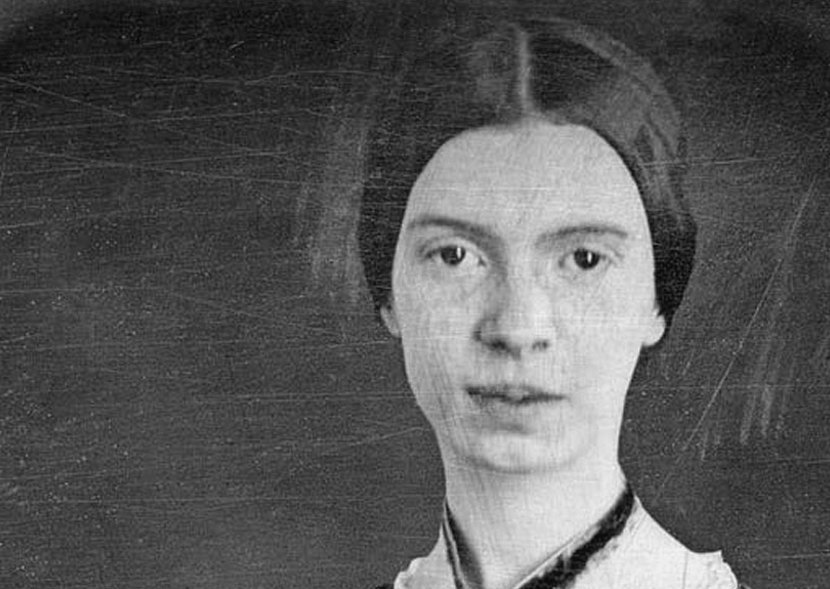
Emily Dickinson, born in 1830 in Amherst, Massachusetts, is celebrated for her unique voice and innovative spirit. Though largely unrecognized during her lifetime, her introspective and symbol-rich poetry examines themes of love, death, and immortality. With her use of free verse and meticulously chosen punctuation, Dickinson crafts an atmosphere both intimate and universal. Her profound exploration of human emotions continues to resonate today, inspiring modern poets to delve into their own inner landscapes.
3. Dante Alighieri
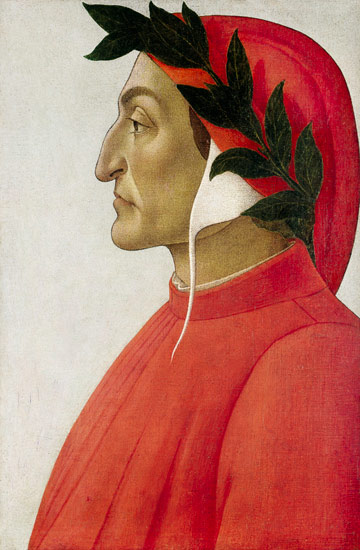
Dante Alighieri, born in Florence in 1265, remains a pillar of medieval poetry. His magnum opus, *The Divine Comedy*, is an epic journey through Hell, Purgatory, and Paradise that blends allegory, philosophy, and theology. Through his rich use of symbols, Dante addresses profound questions of life, humanity, and divine justice, establishing a profound framework that continues to influence literature and thought to this day. His distinctive language solidified the Tuscan dialect as a literary language, shaping future generations of writers.
4. Langston Hughes
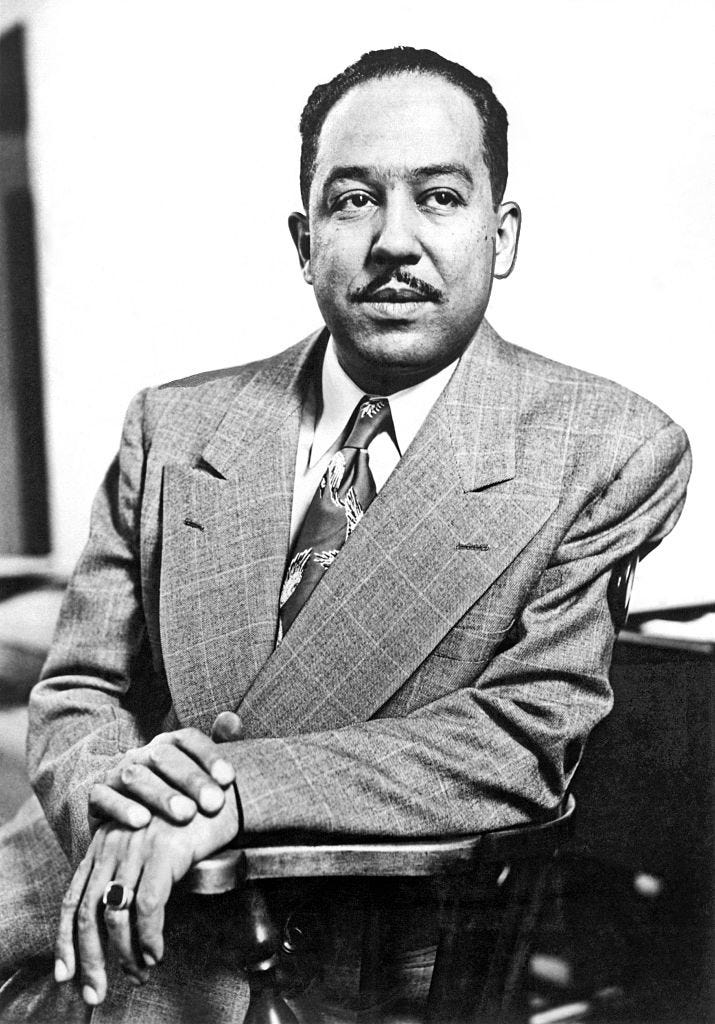
Langston Hughes, born in 1902 in Joplin, Missouri, emerged as a leading voice of the Harlem Renaissance. Through powerful poetry, he articulates the African American experience, offering authenticity to struggles and hopes. His work, infused with jazz and blues, captures the social and political realities of his time while celebrating Black culture. Hughes’ rhythmic verses invite readers into a vibrant literary world, and his messages for justice and equality resonate strongly today.
5. Paul Verlaine
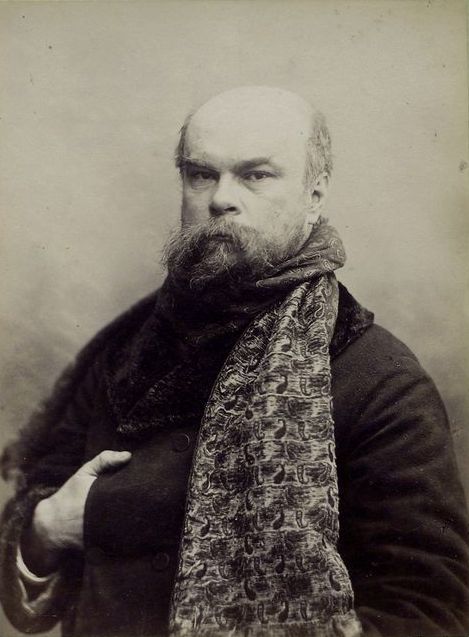
Paul Verlaine, born in 1844 in Metz, is acclaimed for his poignant explorations of love and melancholy within the Symbolist movement. His evocative language and musicality create unique atmospheres, allowing readers to immerse themselves in his emotional landscapes. Verlaine’s tumultuous life deeply influences his poetry, enriching his exploration of complex feelings through works like *Romances sans paroles*, setting a sensory experience that resonates profoundly with contemporary audiences.
6. T.S. Eliot
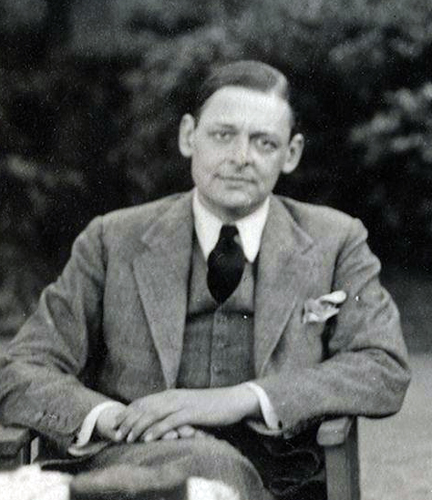
T.S. Eliot, born in 1888 in St. Louis, is widely regarded as one of the foremost poets of the 20th century. His modernist works, such as *The Waste Land*, poignantly critique contemporary society. With rich language and diverse cultural references, Eliot expresses the disillusionment and alienation of his era, encouraging readers to probe philosophical questions about existence and modernity that remain relevant today.
7. John Keats
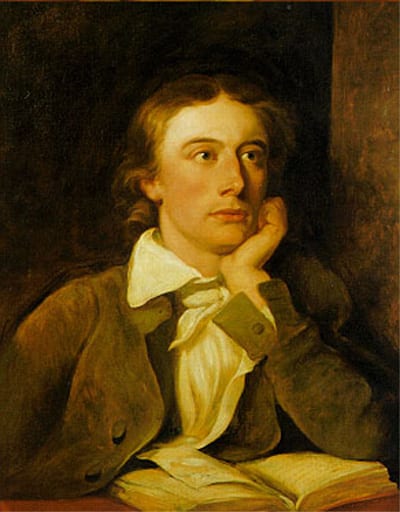
John Keats, born in 1795 in London, stands out as one of the most revered poets of the Romantic movement. His poetry, suffused with sensuality and melancholy, invites contemplation of life’s fleeting beauty and the inevitability of mortality. With masterpieces like *Ode to a Nightingale* and *La Belle Dame sans Merci*, Keats harnesses lyrical beauty to evoke powerful emotional responses, influencing generations of poets to embrace raw emotion and imagination.
8. Homer
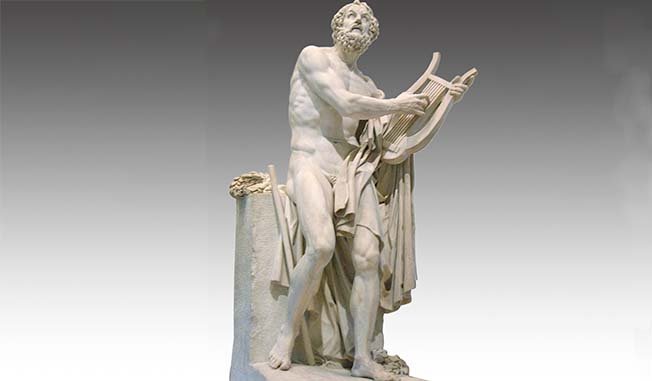
Homer, often hailed as the father of epic poetry, likely born in the 8th century BCE in ancient Greece, is shrouded in mystery. His works, particularly *The Iliad* and *The Odyssey*, have profoundly influenced Western culture. These epics narrate the exploits of heroes like Achilles and Odysseus, tackling universal themes such as honor, bravery, and fate. Homer’s masterful language and vivid storytelling invite deep reflection on the human condition, cementing his timeless impact on literature.
9. Sylvia Plath

Sylvia Plath, born in 1932 in Boston, is renowned for her intense exploration of the human psyche. Her poetry often grapples with themes of suffering and identity, providing a poignant perspective on femininity and mortality. Works like *The Colossus* and her semi-autobiographical novel *The Bell Jar* reveal a raw talent for articulating complex emotions and personal struggles. Her confessional style and powerful voice continue to resonate, inspiring countless readers and writers engaging with their own narratives.
10. Charles Baudelaire
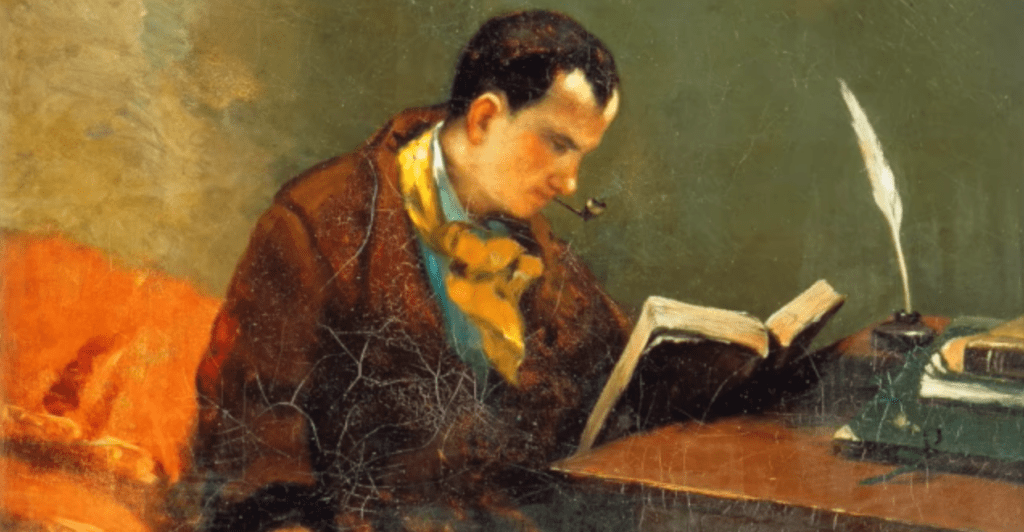
Charles Baudelaire, born in 1821 in Paris, is a pioneer of symbolism and modern poetry. His renowned anthology, *Les Fleurs du mal*, explores the beauty and horrors of urban life, challenging traditional poetic boundaries. With a tormented vision and a sharp pen, Baudelaire scrutinizes societal ills while celebrating ephemeral beauty. His innovative style and capacity to evoke complex emotions have left a lasting legacy, paving the way for contemporary poetry.
In conclusion, these ten poets, each unique in their approaches, have marked the landscape of literature with their creative genius and distinctive sensibilities. Their works continue to inspire, provoke thought, and evoke emotions, reminding us of the timeless power of poetry. We invite you to explore their legacies and uncover the richness they contribute to our existence.