
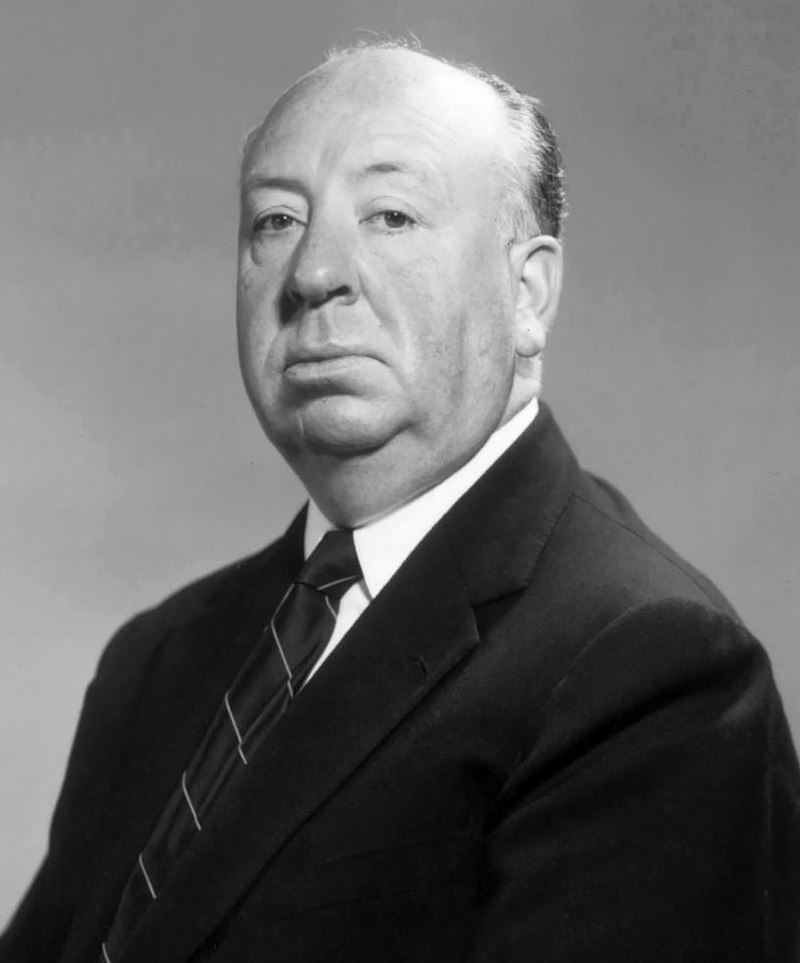
The magic of cinema lies in its ability to convey emotions, stories, and worldviews, shaped by iconic figures whose works go beyond mere entertainment. Directors, the conductors of this art form, play an essential role in crafting narratives that resonate deeply with audiences. Whether they are poets, visionaries, or innovators, each director on this list has left an indelible mark on film history. Through their artistry, they compel us to reflect on the human experience, challenge societal norms, and explore alternative realities. Here is our selection of the 10 greatest directors, whose talents and influences continue to inspire today.
1. Stanley Kubrick
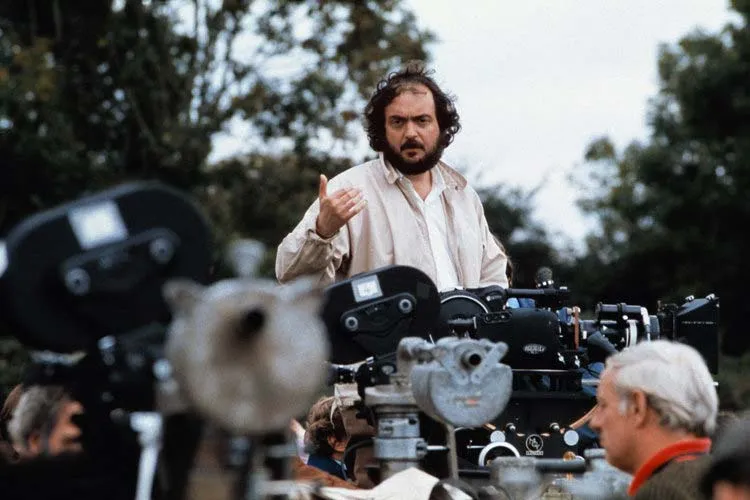
Stanley Kubrick, born in 1928 in New York, stands as one of the most innovative filmmakers in cinema history. Renowned for masterpieces like “2001: A Space Odyssey” and “A Clockwork Orange,” Kubrick delves into themes of technology, violence, and humanity. His perfectionist approach to visual details often came at a personal cost, yet it birthed films that continue to spark fascination and debate. Kubrick’s narratives challenge perception and prompt reflections on our understanding of reality and identity, marking him as a timeless figure in film.
2. Federico Fellini
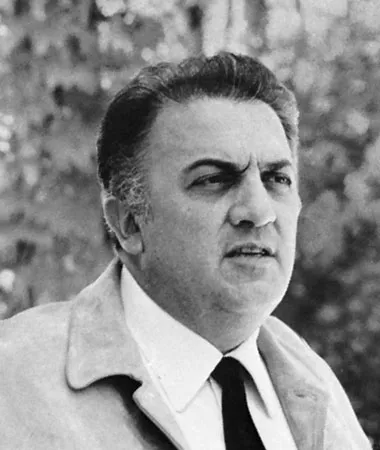
Federico Fellini, an icon of Italian cinema born in 1920 in Rimini, masterfully blended reality with fantasy, creating an extraordinary cinematic universe characterized by a baroque aesthetic. His films, such as “La Dolce Vita” and “8½,” reflect deeply on the human condition, society, and identity. Through poetic visions and profound emotional evocation, Fellini teaches us that cinema is ultimately an exploration of self, as well as a mirror reflecting the passage of time.
3. Alfred Hitchcock
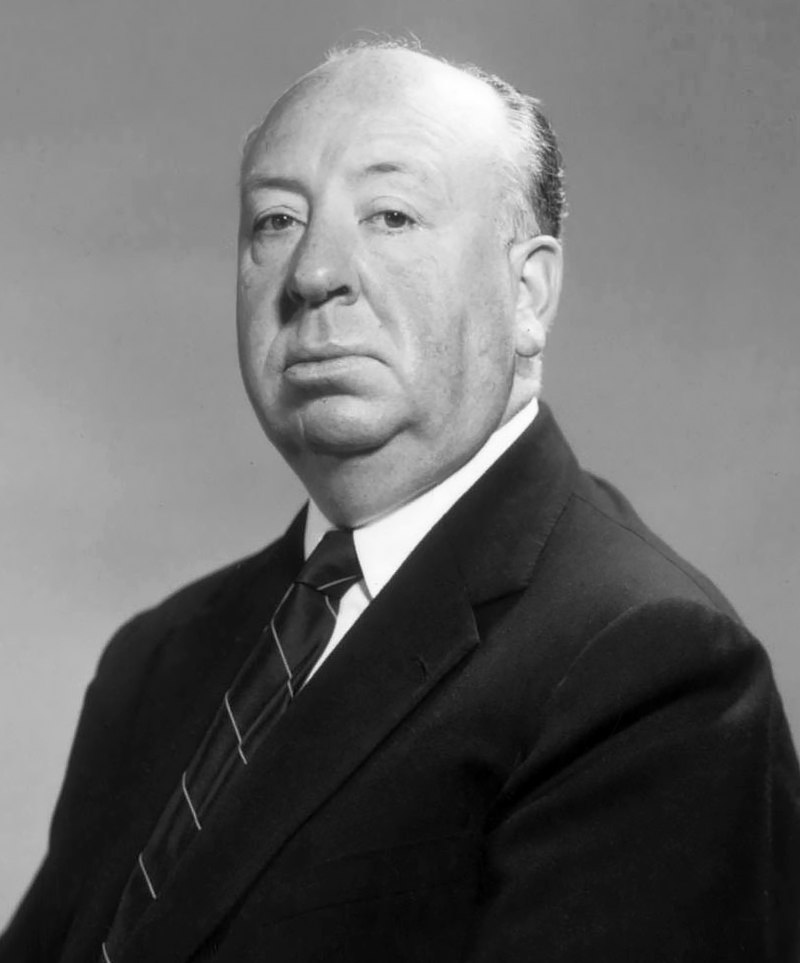
Known as the “Master of Suspense,” Alfred Hitchcock has indelibly influenced film history. Born in 1899 in London, he enveloped his films in a tense atmosphere, skillfully instilling palpable anxiety in viewers. His meticulous approach to editing and storytelling redefined psychological thrillers, exemplified in iconic works like “Psycho” and “Vertigo.” Hitchcock’s unique ability to play with human fears positions him as a foundational figure in cinema that encourages reflection on voyeurism and our deepest anxieties.
4. Ingmar Bergman
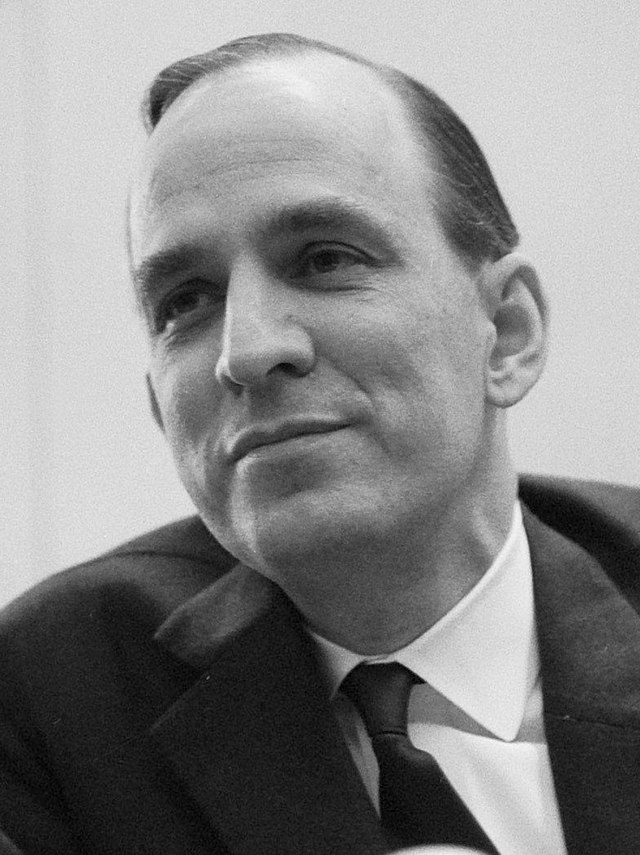
Ingmar Bergman, the Swedish cinematic icon born in 1918, dwelled in existential themes such as faith, existence, and human suffering through profoundly introspective works. His films, including “The Seventh Seal” and “Wild Strawberries,” are metaphysical meditations that probe the meanings of life and mortality. With a masterful use of light and shadow, Bergman leaves a lasting impression on audiences, illuminating existential questions that resonate so deeply in our lives.
5. Martin Scorsese
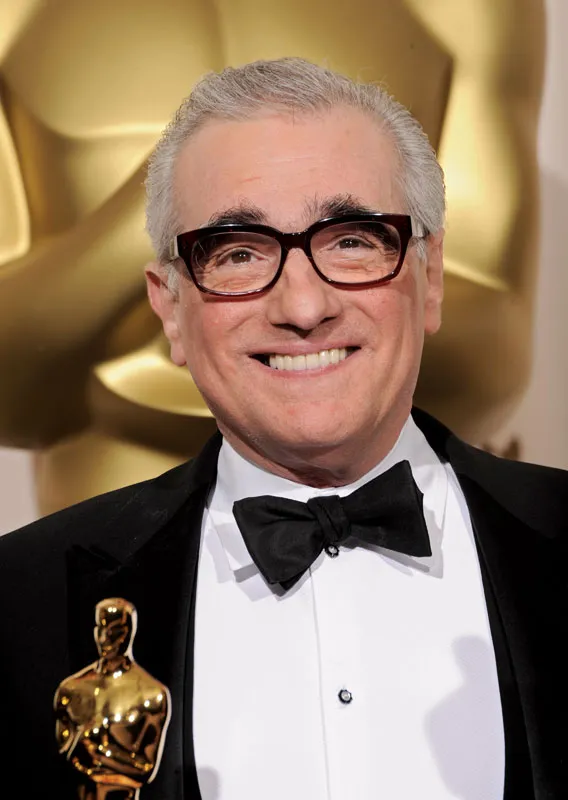
Martin Scorsese, born in 1942 in New York, is a modern cinema maestro acclaimed for his raw explorations of violence, identity, and redemption. With films like “Taxi Driver” and “Goodfellas”, Scorsese immerses viewers into the labyrinth of the human psyche and social subcultures. His distinctive sense of rhythm and visual aesthetic marks his sequences, showcasing his passion for preserving cinema’s legacy while pushing narrative boundaries.
6. Akira Kurosawa
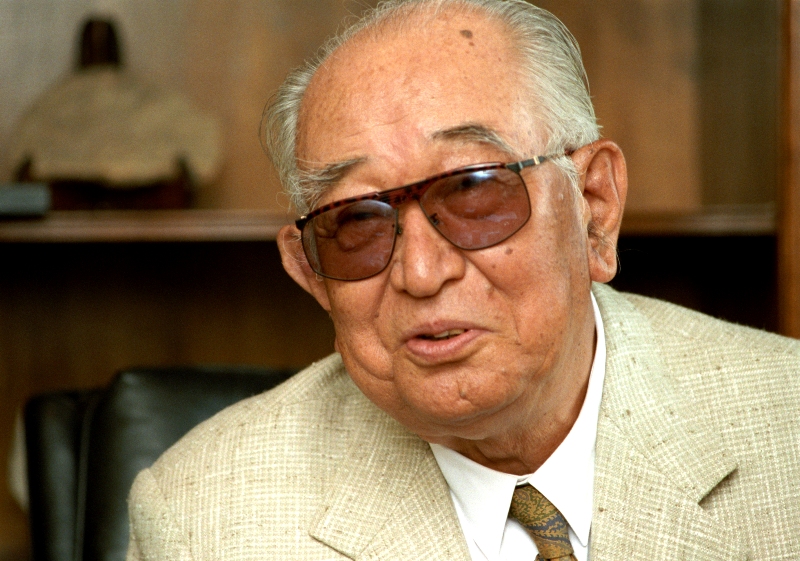
Akira Kurosawa, born in 1910 in Tokyo, is a titan of cinema whose impact stretches far beyond Japan. His films like “Seven Samurai” and “Rashomon” blend Western narrative styles with traditional Japanese themes, creating universal stories that resonate with audiences worldwide. Kurosawa’s innovative use of light, framing, and character development captivates viewers while reflecting on moral complexities and deep emotional experiences.
7. David Lynch
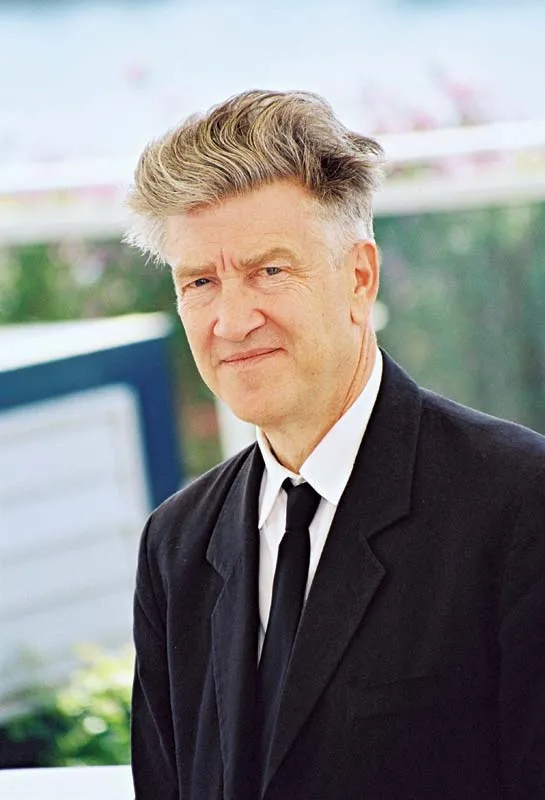
David Lynch, often hailed as the poet of cinema, was born in 1946 in Missoula, Montana. With films like “Mulholland Drive” and “Blue Velvet,” he navigates the intricate landscapes of the human mind and the absurdities of reality. Lynch’s signature style, characterized by slow pacing, atmospheric tension, and enigmatic storytelling, encourages audiences to approach his works with open minds, exploring the realms of the subconscious.
8. Christopher Nolan

Christopher Nolan, born in 1970 in London, is a contemporary director renowned for his complex narratives that challenge conventional storytelling. Films like “Inception” and “The Dark Knight” invite viewers into richly constructed worlds that examine time and reality. Nolan’s innovative vision and commitment to practical effects make him a significant influence on modern cinema, urging filmmakers and audiences alike to engage with deeper themes.
9. Pedro Almodóvar
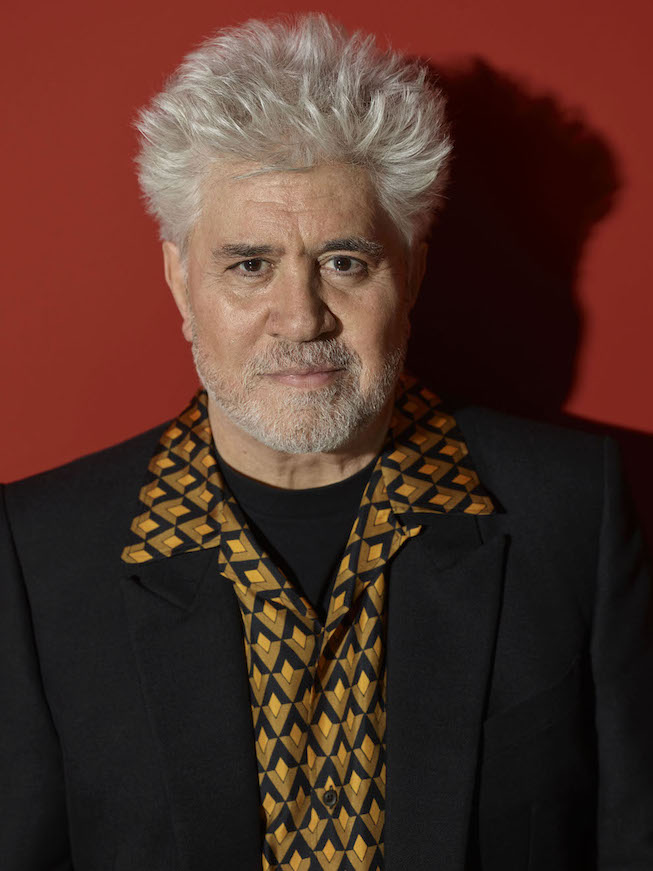
Pedro Almodóvar, born in 1949 in Calzada de Calatrava, Spain, is celebrated for his vibrant explorations of human emotion and complexity. Films such as “Talk to Her” and “All About My Mother” tackle themes of love, sexuality, and identity with unique sensitivity. His colorful storytelling and memorable characters have redefined Spanish cinema, creating a new voice that resounds globally.
10. Wim Wenders
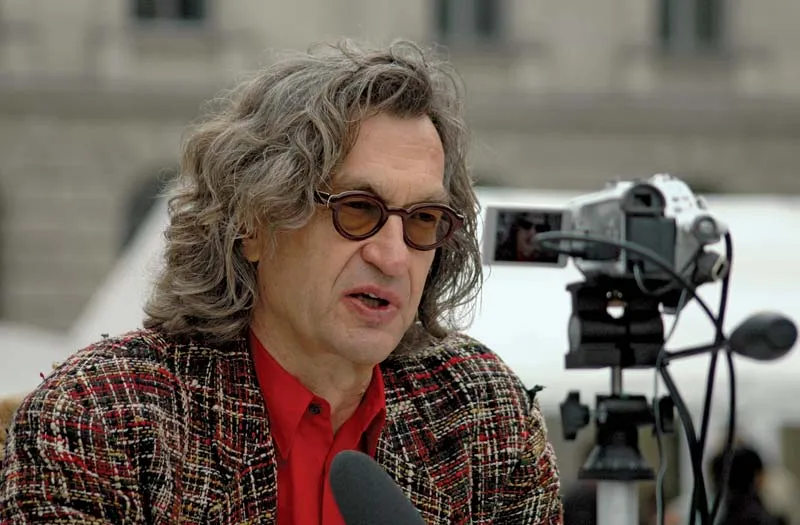
Wim Wenders, born in 1945 in Düsseldorf, is a German filmmaker known for his poetic sensibility and contemplative approach to cinema. His works, including “Paris, Texas” and “Wings of Desire,” often explore themes of isolation, identity quest, and the connection between humans and their environments. Through his distinctive style, Wenders conveys deep humanity, encouraging audiences to reflect on every facet of life.
In summary, these 10 directors have not only shaped cinematic language but have also illuminated our understanding of the human experience through their art. Their ability to tell profound and engaging stories cements their status as pioneers, inviting us to cherish cinema as a force for escapism, reflection, and transformation. Through their lenses, we are encouraged to appreciate the beauty, complexity, and authenticity of our own existence.